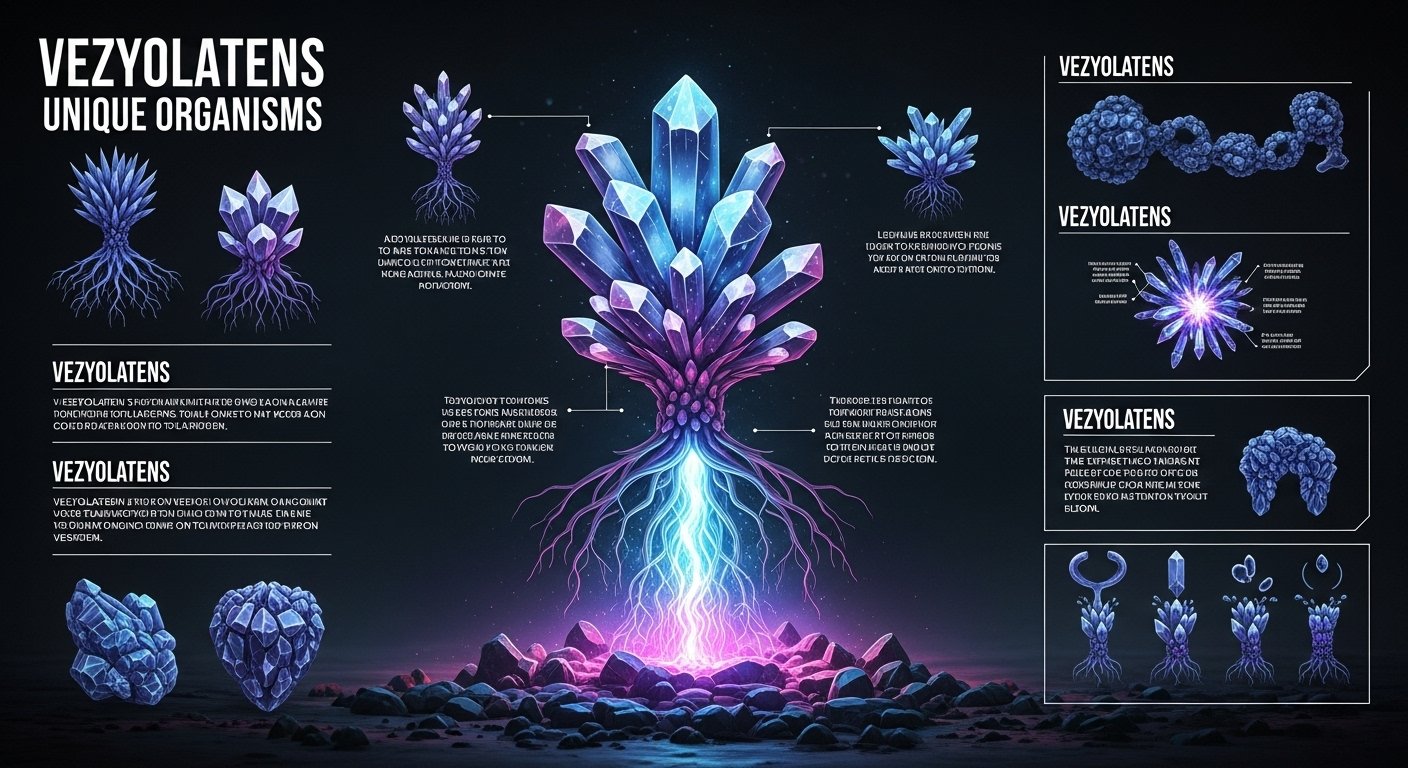
The question of where vezyolatens come from has intrigued researchers and enthusiasts alike. Vezyolatens, a term rarely encountered outside specialized scientific circles, refers to a unique group of organisms whose origins and characteristics are still being explored. Understanding their source, habitat, and development can provide fascinating insights into biodiversity, ecology, and even potential applications in medicine and technology. In this article, we delve deep into the origins of vezyolatens and examine what makes them a subject of growing interest.
Understanding Vezyolatens
Before exploring where vezyolatens come from, it is essential to define what they are. Vezyolatens are microscopic organisms known for their adaptability in extreme environments. Unlike common bacteria or fungi, vezyolatens exhibit complex cellular structures and behaviors that allow them to survive under harsh conditions, including extreme heat, acidity, or low oxygen levels. Their resilience has made scientists curious about their evolutionary history and environmental origins.
The Natural Habitats of Vezyolatens
Research suggests that vezyolatens originate primarily from isolated and extreme ecological niches. These include deep-sea hydrothermal vents, acidic hot springs, and arid desert soils. Scientists believe that such environments act as natural incubators, where vezyolatens evolve unique survival mechanisms. The specific conditions of these habitats—such as high mineral content, fluctuating temperatures, and minimal competition—contribute significantly to their development. Exploring where vezyolatens come from in these locations offers a window into understanding their extraordinary survival capabilities.
Evolutionary Origins
The evolutionary history of vezyolatens provides further clues about where vezyolatens come from. Genetic analyses indicate that vezyolatens diverged from common microbial ancestors millions of years ago, adapting specifically to extreme conditions. Over time, their genetic makeup allowed them to develop protective cell membranes, efficient energy conversion processes, and resistance to environmental toxins. Studying these adaptations not only answers questions about their origins but also provides insights into how life can survive in some of the planet’s harshest habitats.
Vezyolatens in Scientific Research
Understanding where vezyolatens come from is not just an academic pursuit; it has practical implications. Scientists are exploring these organisms for potential applications in biotechnology, medicine, and environmental management. For instance, certain enzymes produced by vezyolatens are being studied for their ability to function under high temperatures, which could revolutionize industrial processes. Moreover, their unique resistance mechanisms might inspire new antimicrobial strategies. By tracing their origins, researchers can better harness their extraordinary properties for human benefit.
Human Impact and Conservation
While vezyolatens may seem obscure, their survival is closely tied to delicate ecosystems. Human activities, such as deep-sea mining, industrial pollution, and deforestation, threaten the natural habitats where vezyolatens thrive. Understanding where vezyolatens come from also underscores the importance of preserving these unique environments. Protecting extreme habitats ensures that these organisms can continue to evolve naturally, allowing scientists to study them responsibly and sustainably.
Conclusion
In conclusion, exploring where vezyolatens come from reveals a remarkable story of evolution, resilience, and ecological significance. Originating from extreme and isolated habitats, vezyolatens exemplify the incredible adaptability of life. Their study not only deepens our understanding of microbial diversity but also offers promising applications in science and industry. As research continues, uncovering the secrets of vezyolatens will likely provide new insights into both the natural world and technological innovation.